


 Fax: 508-651-2674






Category: BRAIN SCIENCE
For over 30 years, Trainers Warehouse has sold tools and resources to promote active, brain-based learning. Trainers frequently ask us how they can get buy-in from managers. Facilitators of learning view games and fidgets as important tools of their trade, but managers sometimes see them only as “toys.” As such, we’re on the lookout for brain science research that supports the learning theory and applies the neuroscience of learning.
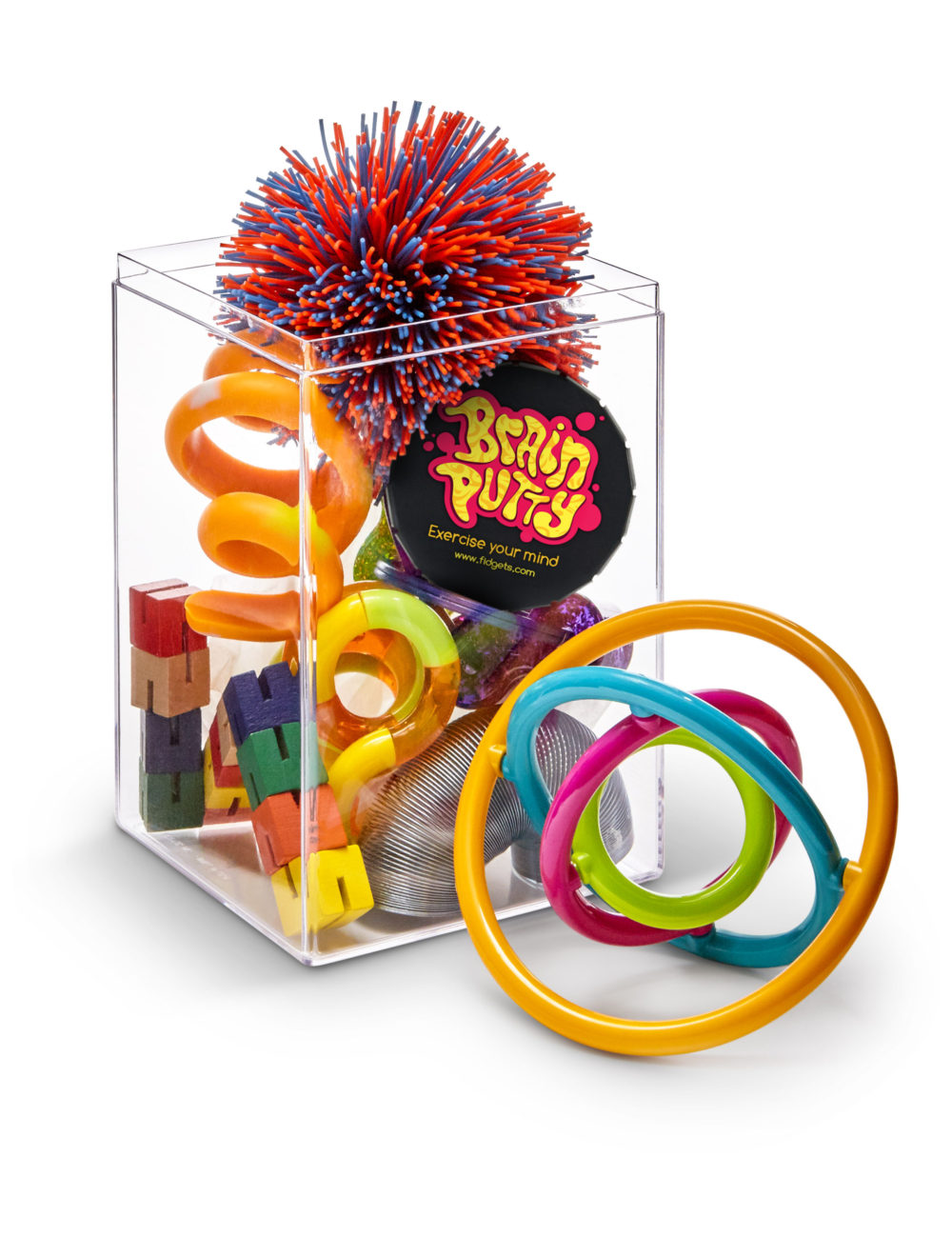
How Fidget Toys Tame Our "Floating Attention"
More and more is being written about the science of WHY we fidget. From articles in Fast Company magazine, the Huffington Post, and Sunni Brown‘s TED talk on doodling, we better understand the prevalence and utility of fidgeting and doodling, especially for folks with ADD and ADHD. But I&... Read More



The Pen is Mightier than the Keyboard – the power of longhand notes
Pam A, Mueller and Daniel M. Oppenheimer (from Princeton University and University of California, respectively), studied the impact of taking notes longhand versus on a computer. Writing Notes Is Better! Here’s what they found and published in the Psychological Science journal: “Taking n... Read More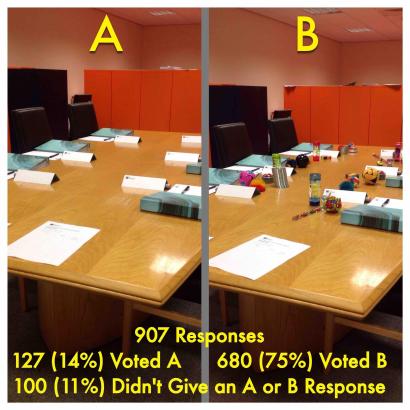
Survey says . . . attendees prefer toys!
Several years ago, Garry Platt, a Learning & Development Specialist at EEF Ltd., posed the question. He presented two training tables–one with a smattering of fidget toys; and one without. He asked, simply, “A or B?” then posted his results on LinkedIN – A or B?. The ... Read More
Motivation at Any Age
Engagement is such a hot topic these days that I’ve been reading a great deal on what motivates us at work. When I read Kim Marshall‘s succinct synthesis of Kathleen Cushman’s article “Eight Conditions of Motivated Learning,” I was struck by similarity to the current t... Read More
Ron Gutman and the Hidden Power of Smiling
Over 25 years ago, I joined the circus as a clown and did my best to make people smile and laugh. About 5 years ago, my dad and then business partner wrote an article about the benefits of smiling. In 2013, I launched Office Oxygen, so that people could smile more at work! So, when… Read More
Learning and the Brain – Tips
A couple of weeks ago, I had the pleasure of attending a workshop on Learning and the Brain. It’s fascinating to learn from the brain scientists who study both the brain and its evolution over millions of years, to understand how we can make teaching and learning more effective. Following ... Read More
The Value and ROI in Employee Recognition
I came across this joint report by the Human Capital Institute, FORUM for People Performance Management and Measurement, and IRF Incentive Research Foundation, which examines the correlation between employee recognition and improved job performance. Among the facts highlighted, this one stood out to... Read More
Stress and Learning
I always get excited when I find hard research that substantiates the use of stress-free learning. This time I hit a jackpot when I found JW Wilson’s, Cracking the Learning Code. JW Wilson is the Executive Director of The Advanced Learning Institute, an organization which researches, devel... Read More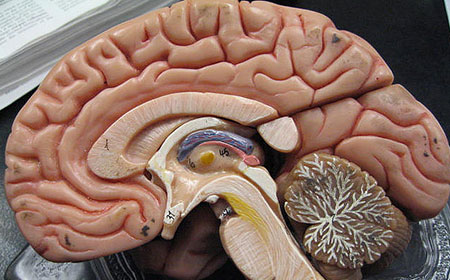
8 Breakthroughs in the Science of Learning (back in 2012!)
Hazel Taylor, an assistant professor at the University of Washington, wrote and published this article back in 2012. It’s a great collection of articles and reports about how the brain learns. The headlines include: More information doesn’t mean more learning The brain is a highly dynamic ... Read More
The Bygone Lecture
I’m surprised when I talk to college students and professors these days and hear that lectures are still a common method of instruction. This week, however, I came across two sources that challenge the old tradition. The first was a study of Astro 101 (that is, Introductory Astrology) ... Read More
PRODUCTS YOU’LL LOVE!

Easily "gamify" learning events
Talk about topics that matter!
Build team spirit and communication with Team Writer
Occupy Fidgety Fingers
The Neuroscience of Learning
Through brain science research, we've learned more about the parts of the brain and how they work together to help us understand and retain new information. We understand, for instance, that:- Greater engagement leads to deeper learning. And, the more areas of the brain that are in use, the more memorable the learning episode.
- Focus decreases during longer learning segments.
- Visual images, mnemonics, and metaphors help our brains organize information.
- Endorphins create feelings of euphoria and activate our frontal lobes, the part of the brain responsible for learning.
- Cortisol, the stress hormone, inhibits memory and attention.